WIDA reading practice test 2 for 1st grade
A second reading test with new folders that are not on the practice pages, for a fresh try once the practice pages are done.
Teaching this in class? It is all free online, and the Grade 1 printable pack ($8.99) has a booklet for every student, the answer key, rubrics and audio.
Before you start
- 12 questions covering reading.
- Each question is on its own page, and you will see whether you were right straight away, with an explanation.
- There is no timer and no sign-up. Your answers are saved in this browser only, so you can stop and pick it up again on this device.
What this test covers
- Level A folders (6 questions): Easier folders, aimed at proficiency levels 1 to 3: short texts with pictures, labels and simple sentences.
- Level B folders (3 questions): Middle folders, aimed at levels 2 to 4: paragraphs, charts and short articles with content vocabulary.
- Level C folders (3 questions): Harder folders, aimed at levels 3 to 5: longer academic texts that ask about main ideas, evidence and word meaning.
To work on one part at a time, use the reading practice for Grade 1.
Answer key: every answer, explained
Take the test first: the answers are here for checking afterwards, or for an adult going over it with a student. Each one says why it is right and why each other choice is wrong. Open a question to see its answer.
Reading
1. Where is the class going?
From “Social and Instructional: Field Trip Day”
- The farm
- The zooCorrect answer
- The beach
Why “The zoo” is correct
The title of a list often tells what it is for. Here the first line names the place. The other choices are common field trips, so the child has to read the word, not guess.
Why the other answers are wrong
- The farm — A farm is a field trip place, but the list says zoo.
- The beach — A beach is not on the list.
2. What should children wear?
From “Social and Instructional: Field Trip Day”
- SneakersCorrect answer
- Sandals
- Snow boots
Why “Sneakers” is correct
The list has a "Wear:" line. Lists like this sort things under headings, and the child has to find the right heading. All three choices are shoes, so the exact word matters.
Why the other answers are wrong
- Sandals — Sandals are shoes, but the list says sneakers.
- Snow boots — Boots are shoes, but the list says sneakers.
3. When does the bus leave?
From “Social and Instructional: Field Trip Day”
- 10:00
- 12:00
- 9:00Correct answer
Why “9:00” is correct
The last line gives the time. Reading a time written as numbers is a skill first graders are still building, so read it aloud together: nine o’clock.
Why the other answers are wrong
- 10:00 — 10:00 is not on the list.
- 12:00 — 12:00 is not on the list.
4. Which picture shows where a bee lives?
From “Science: Animal Homes”
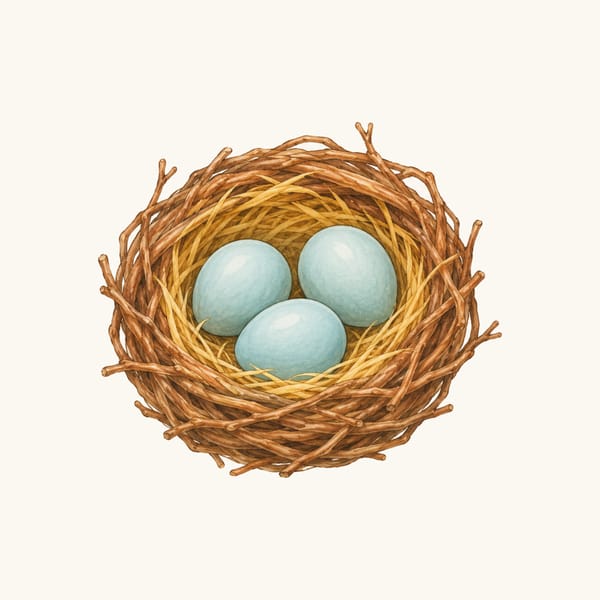 A nest
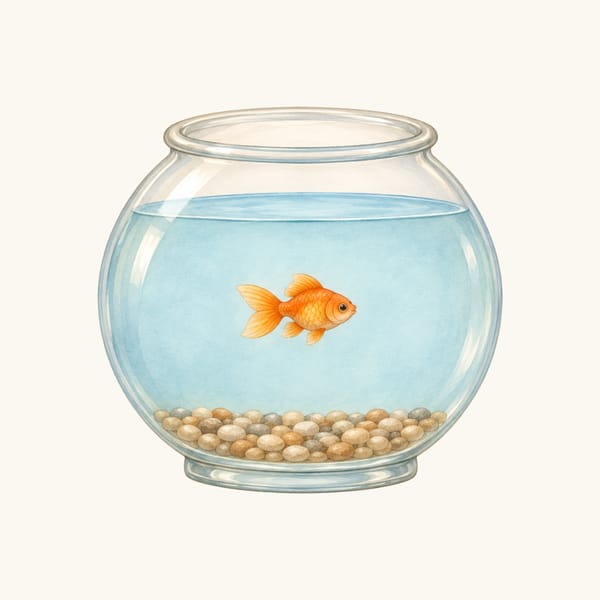 A fish bowl
- Correct answer
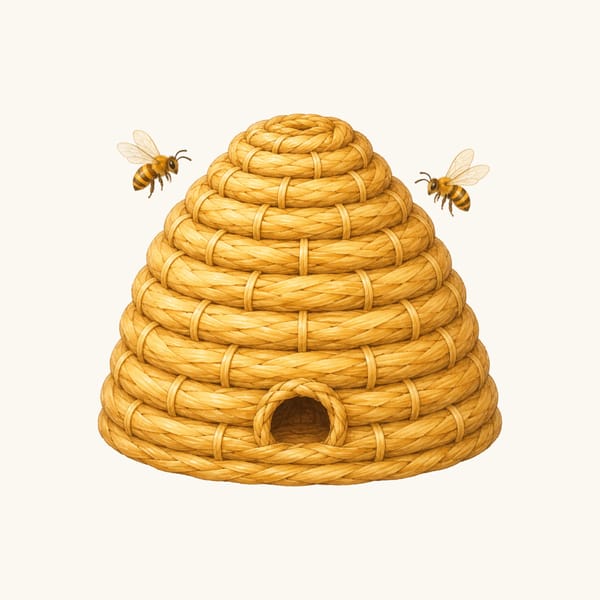 A hive
Why “A hive” is correct
The child reads "A bee lives in a hive" and matches the word "hive" to a picture. Each picture is a home from the text, so the child has to match the right animal to the right home.
Why the other answers are wrong
- A nest — A nest is a bird’s home.
- A fish bowl — Water is a fish’s home.
5. Where does a bird live?
From “Science: Animal Homes”
- In a nestCorrect answer
- In a hive
- In the water
Why “In a nest” is correct
The first sentence gives the answer. Each sentence in the text has the same pattern: animal, "lives in", home. Seeing that pattern helps a beginning reader.
Why the other answers are wrong
- In a hive — A hive is a bee’s home.
- In the water — Water is a fish’s home.
6. Which animal lives in water?
From “Science: Animal Homes”
- A bee
- A fishCorrect answer
- A bird
Why “A fish” is correct
This question turns the text around: the child starts from the home and finds the animal. That is a small step up from the question before.
Why the other answers are wrong
- A bee — A bee lives in a hive.
- A bird — A bird lives in a nest.
7. How long was the pencil?
From “Math: Measuring with Blocks”
- 2 blocks
- 3 blocks
- 5 blocks
- 6 blocksCorrect answer
Why “6 blocks” is correct
The first paragraph gives the number. Measuring with blocks or paper clips is how first graders learn length before they use a ruler. The other numbers in the choices belong to other objects.
Why the other answers are wrong
- 2 blocks — 2 blocks is the eraser.
- 3 blocks — 3 blocks is the crayon.
- 5 blocks — 5 blocks is not in the text.
8. Which thing was the shortest?
From “Math: Measuring with Blocks”
- The eraserCorrect answer
- The crayon
- The pencil
- They were all the same
Why “The eraser” is correct
The child compares three numbers and finds the smallest. The word "only" in the last paragraph is a clue that the eraser is small. "Shortest" is the math word to talk through.
Why the other answers are wrong
- The crayon — The crayon is 3 blocks, longer than the eraser.
- The pencil — The pencil is the longest, not the shortest.
- They were all the same — The three things are 6, 3 and 2 blocks long, so they are not the same.
9. How many blocks longer was the pencil than the crayon?
From “Math: Measuring with Blocks”
- 2
- 6
- 3Correct answer
- 9
Why “3” is correct
The pencil is 6 and the crayon is 3, so the pencil is 3 blocks longer. "How many longer" asks for a difference. A child who adds the two numbers gets 9; counting the extra blocks in the picture is a good way to check.
Why the other answers are wrong
- 2 — 2 is the length of the eraser.
- 6 — 6 is the length of the pencil, not the difference.
- 9 — 9 is the pencil and the crayon added together.
10. Which one is a need?
From “Social Studies: Needs and Wants”
- A toy car
- WaterCorrect answer
- A video game
- A new ball
Why “Water” is correct
The first paragraph lists needs, and water is on the list. The wrong choices are all things a child would like to have, which is the difference the text is teaching.
Why the other answers are wrong
- A toy car — The text names a toy car as a want.
- A video game — The text names a video game as a want.
- A new ball — Lila picks the ball with leftover money. It is a want.
11. Why did Lila’s family buy food and a coat first?
From “Social Studies: Needs and Wants”
- They cost the least
- Lila asked for them
- The store had no toys
- They are needsCorrect answer
Why “They are needs” is correct
The text does not say why. The child connects the last paragraph to the first one: food and clothes are needs, and needs come before wants. That link across paragraphs is what makes this level C.
Why the other answers are wrong
- They cost the least — The text says nothing about prices.
- Lila asked for them — Lila picks the ball. The text does not say she asked for food or a coat.
- The store had no toys — The store had a ball for Lila, so it did have toys.
12. The ball Lila picked is a ___.
From “Social Studies: Needs and Wants”
- wantCorrect answer
- need
- home
- coat
Why “want” is correct
A ball is not something people must have to live, so it is a want. The text never calls the ball a want. The child applies the meaning from the second paragraph to something new.
Why the other answers are wrong
- need — People can live without a ball, so it is not a need.
- home — A home is a need from the first paragraph, not the ball.
- coat — The coat is something else the family bought.
Read next
- WIDA Listening and Reading Test: Folders, Levels and Adaptivity: On WIDA ACCESS Online, listening and reading questions come in folders: one recording or text with a small group of questions about it. The test is adaptive, so after each folder it moves the student to easier or harder material. Listening and reading are taken first, and the results decide the tier of speaking and writing. Here is how they work.
- How to Prepare for WIDA ACCESS: A Practical Plan for Parents: WIDA ACCESS measures English that grows over months and years, so there is no shortcut to a higher level. What preparation can do is make the test familiar, so your child's real English shows on the day. The best plan is the official WIDA demos, a few weeks of short practice in each domain, and plenty of talk and reading at home, in any language.
- WIDA Scale Scores: How They Relate to Proficiency Levels: Every WIDA ACCESS score report gives two numbers for each domain and composite: a scale score and a proficiency level. The proficiency level (1.0 to 6.0) is the number schools and states usually act on. The scale score is what the level is worked out from, and it is the better number for tracking growth. In 2025–26, WIDA reset the scale, so scale scores from before 2026 cannot be compared with scale scores from 2026 on.
Unofficial practice. This site is not affiliated with, endorsed by, or connected to WIDA, the Wisconsin Center for Education Research, or the Board of Regents of the University of Wisconsin System. WIDA and WIDA ACCESS are trademarks of the Board of Regents of the University of Wisconsin System. Every question here is original practice material written to match the published test design.